
6 min read
Preventive care is less about a single appointment and more about a steady rhythm of attention. The goal is simple: notice small changes early, keep protection current, and make every veterinary visit a productive conversation.
Wellness conversations
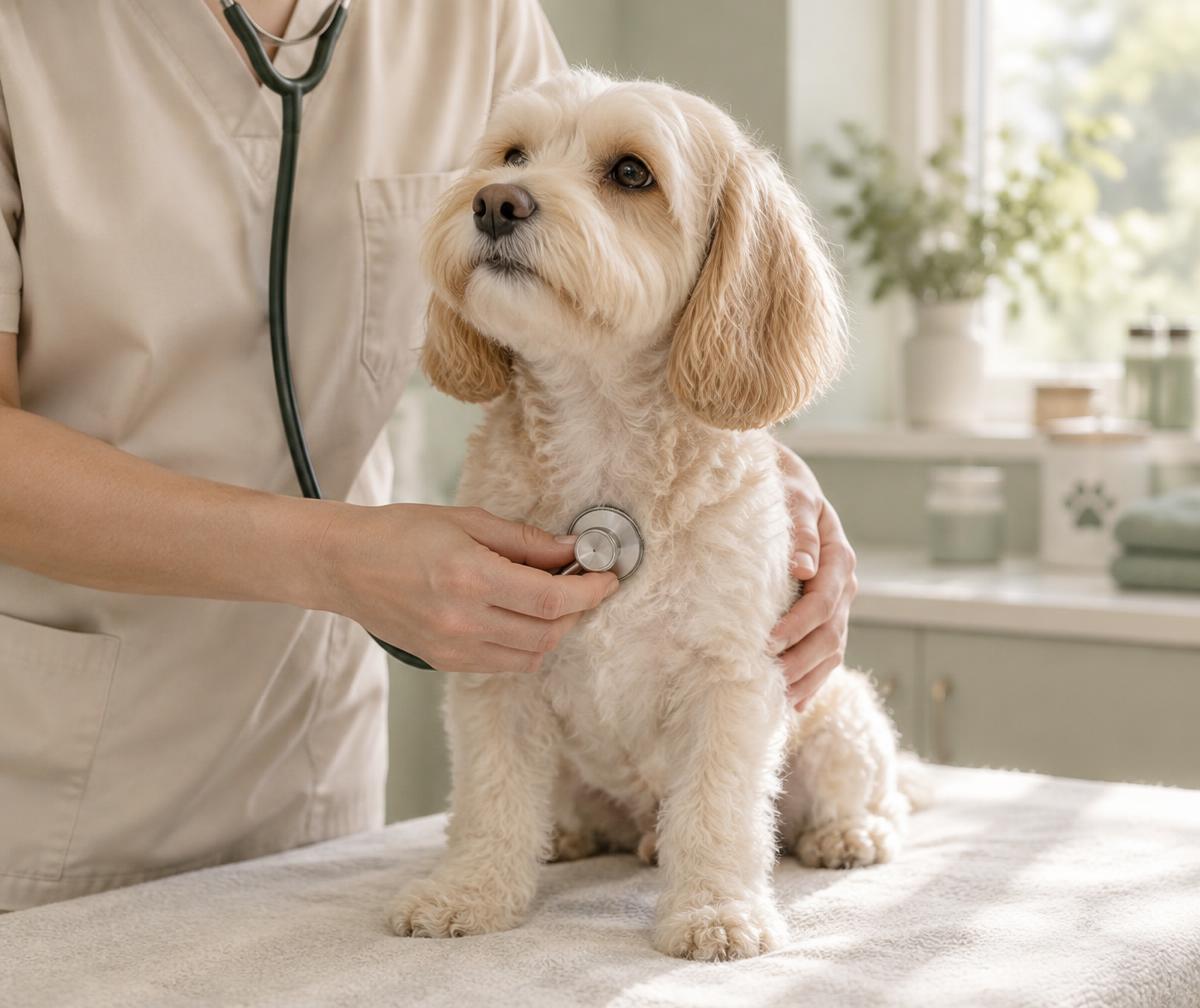
A wellness examination gives your veterinarian a baseline — weight, body condition, heart and lung sounds, skin and coat, eyes, ears, teeth, and joints. Over time, those baselines make subtle changes easier to recognize.
Many healthy adult pets are seen at least once a year, while young, senior, or medically complex pets may benefit from more frequent visits. The right interval for your companion is a decision to make with your veterinarian.
Vaccination and prevention planning
Vaccines are generally grouped as core — recommended for most pets — and lifestyle-based, which depend on where your pet lives, travels, boards, or plays. An indoor cat and a dog who hikes on weekends may need very different plans.
Parasite prevention follows the same principle. Fleas, ticks, intestinal parasites, and heartworm risk vary by region and lifestyle, so prevention should be tailored rather than assumed.
- Keep a copy of vaccination records in one place
- Mention upcoming travel, boarding, or grooming
- Ask which parasites are relevant where you live
Daily routines and nutrition
Much of preventive care happens at home. A consistent feeding routine, measured portions, fresh water, regular exercise, and enrichment support healthy weight and behavior.
Brief, regular check-ins help too: run your hands over your pet’s body for new lumps, look at their ears and teeth, and pay attention to appetite, thirst, energy, and bathroom habits. Changes in these patterns are worth noting and sharing.
Questions to bring to your veterinarian
A short written list makes appointments calmer and more complete. Consider bringing:
- Is my pet at a healthy weight, and how much should I feed?
- Which vaccines and preventives make sense for our lifestyle?
- Are any screening tests appropriate at this age?
- What changes at home should prompt a call?
- When should we schedule the next visit?
The takeaway
Preventive care works best as a partnership: consistent observation at home, paired with an individualized plan from your veterinarian.
If your pet may be in danger, contact an emergency veterinary hospital immediately.
For guidance specific to your pet, speak with a qualified veterinary professional.